
The 10 Most Popular Interior Design Trends – What Awaits Us in 2025–2026?
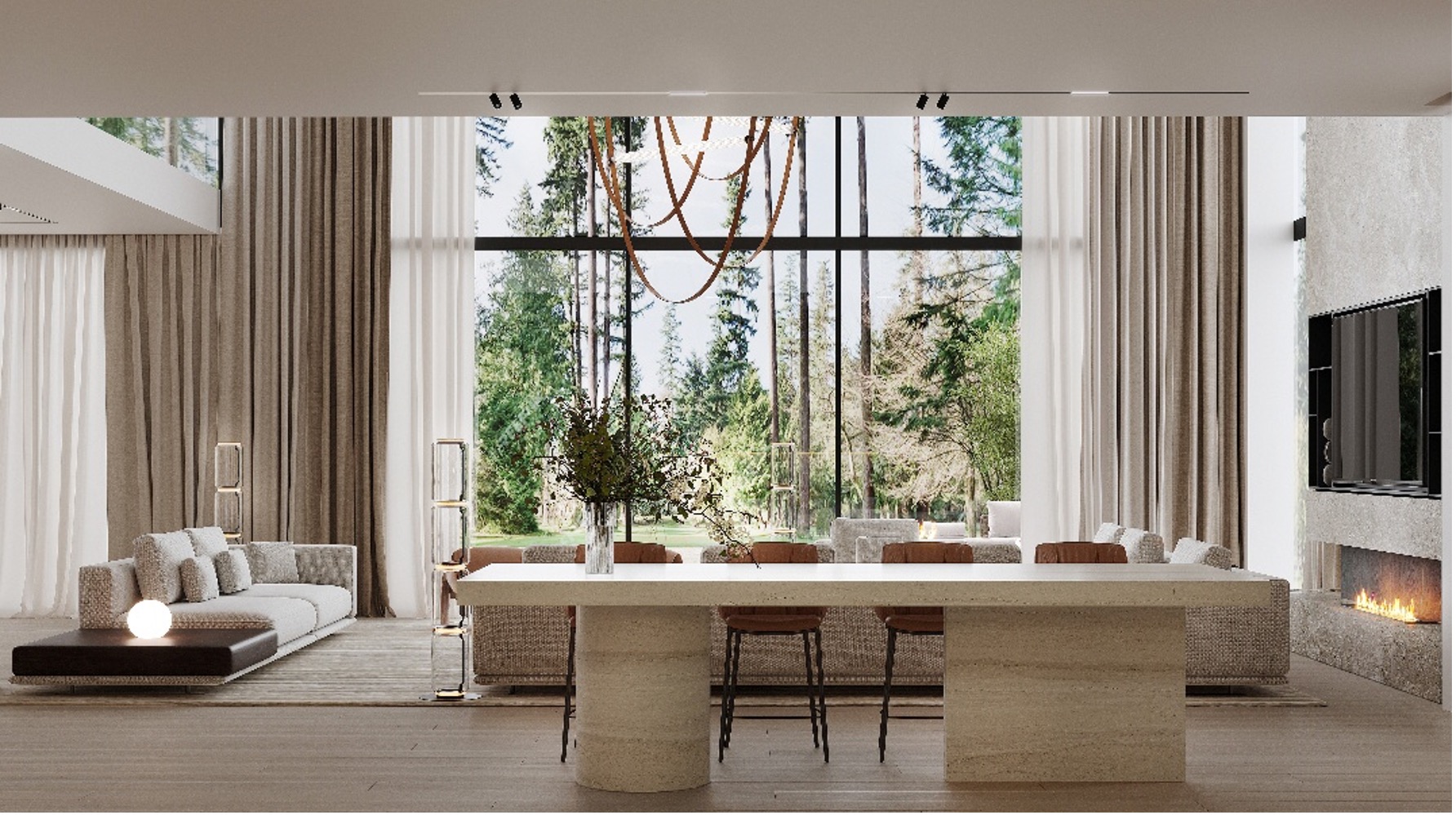
Interior design is entering a new era where aesthetics, functionality, and technology intertwine in unique ways. Today’s interior architect is not just a space designer, but also an advisor on comfort, lifestyle, and property value investment. In the coming years, the key will be creating interiors that are simultaneously luxurious, eco-friendly, and timeless.
The Arte Dizain team and the proprietary Hajdas Value & Space philosophy respond to these changes by creating inspiring and captivating interiors. Designer Agnieszka Hajdas prioritizes solutions that combine aesthetics, functionality, and individualism.
Trends for 2025–2026 clearly show that luxury today means more than wealth—it means harmony, personalization, and everlasting quality. Below are the 10 directions that will dominate interior design in the upcoming seasons.
1. Natural Materials and Textures
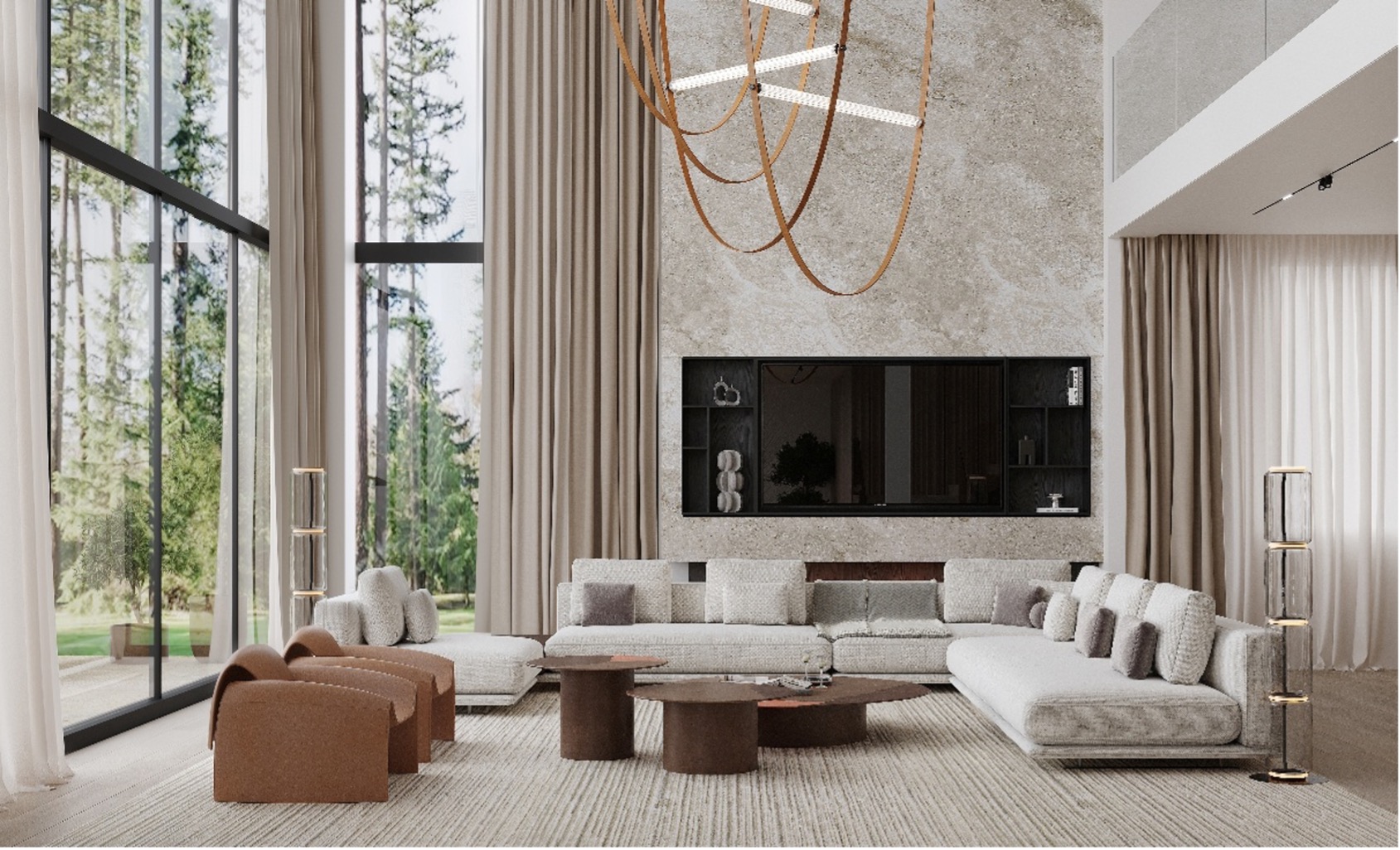
In an age of sensory overload and a fast-paced life, we are returning to what is simplest and closest to nature. Interior architects are increasingly turning to stone, wood, linen, and wool, which bring warmth and authenticity to a space. Design based on natural textures ensures a space feels noble yet remains timeless. Surfaces with distinct structures—brushed wood, porous stone, or raw concrete—are also gaining popularity. These elements do more than please the eye; they stimulate the sense of touch.
2. Earth Tones and Deep Hues
The years 2025–2026 represent a time of balance in interior design, particularly between neutral tones and intense accents. Beiges, sand shades, and browns are paired with bold colors: emerald, navy, burgundy, or plum. Well-planned designs use color to complement rather than overwhelm the space. Earth tones offer solace, while saturated shades introduce luxury and elegance. An interior architect knows that color is not just a decoration, but a tool that influences the mood and energy of the inhabitants.
3. Discreet Technology and Smart Interiors
Modern interiors cannot function without technology, yet its presence is becoming increasingly invisible. Lighting, sound systems, and air conditioning are discreetly integrated into the architecture to avoid disrupting aesthetic cohesion. The interior architect designs the space so that technology supports daily life rather than dominating the decor. In the coming years, Smart Home systems—from light intensity regulation to temperature and scent adjustments—will become the standard.
4. Quiet Luxury – Subtle Sophistication
“Quiet luxury” is the trend set to dominate the premium segment. This is luxury that does not shout, but instead subtly emphasizes a high quality of life. The keys are carefully selected materials, masterful craftsmanship, and simplicity of form. Interior designs in this aesthetic are characterized by restraint—fewer accessories, more space, and a conscious use of detail. The result? An interior that exudes prestige and elegance while remaining practical for everyday use.
5. Personalization and Functional Art
Every interior architect knows that a home should reflect the inhabitant’s personality. In the coming years, personalization will reach new heights—from custom-designed furniture and unique decorations to functional art integrated into everyday space. Personalization gives interior designs their unique character. The home becomes more than just a living space; it becomes a manifesto of the owner’s style and taste.
6. Multi-functionality of Space
Changing lifestyles—hybrid work, greater flexibility, and the merging of domestic and professional roles—demand a new approach to design. Interior architects are creating spaces that easily adapt to various needs. A living room can become an office by day and a social hub by night. Kitchens increasingly serve as communal spaces, while bedrooms become private wellness zones. Multi-functionality is a trend that merges convenience with a modern lifestyle.
7. Biophilic Design – Interiors in Harmony with Nature
“Biophilic design” is a direction gaining significant momentum. It involves designing interiors to connect as closely as possible with nature. Green walls, natural light, vegetation, and water elements are becoming integral parts of modern houses and apartments. Beyond plants, the interior architect introduces solutions that support health—proper air circulation, natural lighting, and a friendly microclimate. This approach turns a space into an oasis of peace and regeneration.
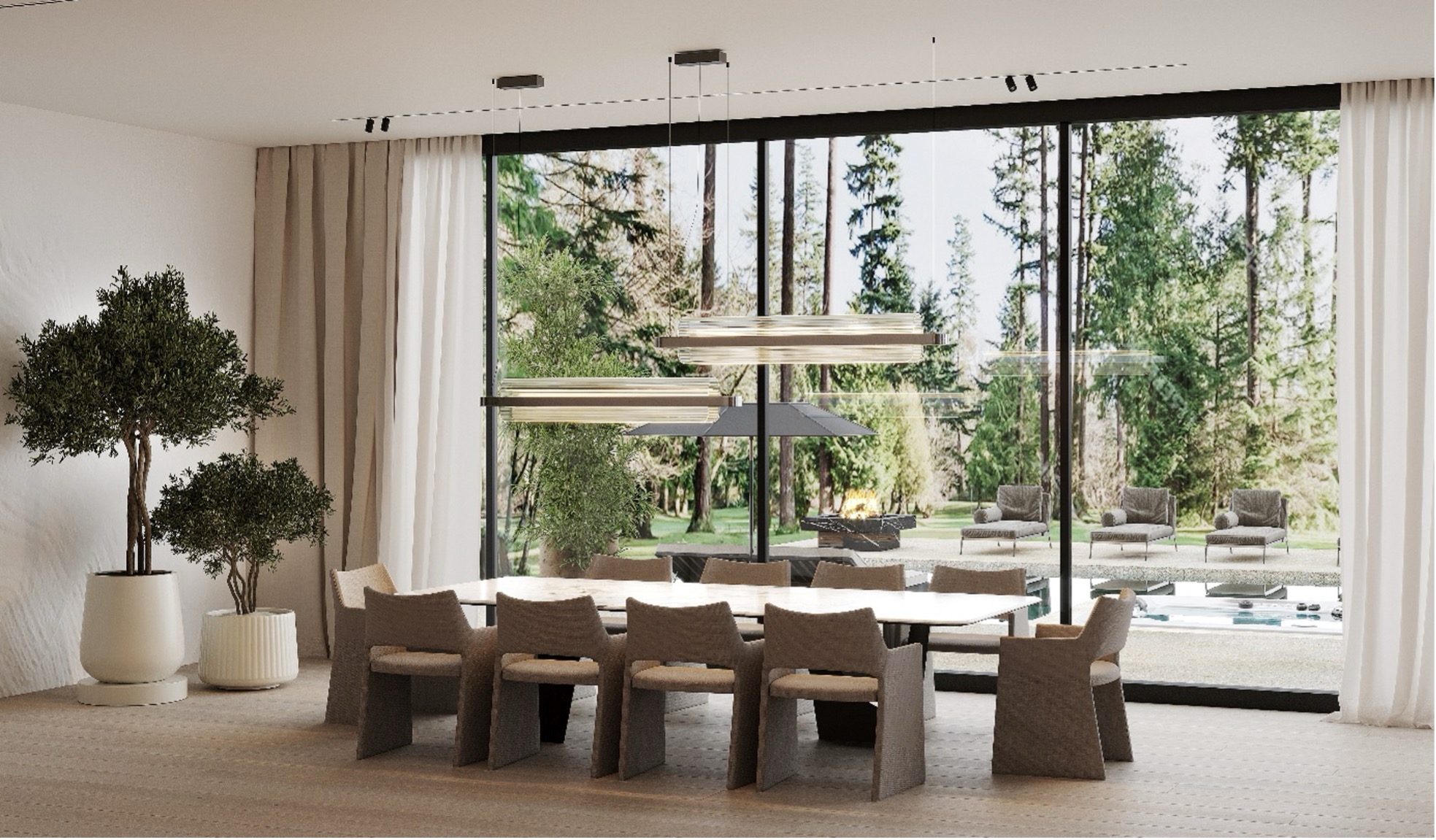
8. Minimalism 2.0 – Less, but More Luxurious
Minimalism in interior design is entering a new era. Minimalism 2.0 is a move away from ascetic, raw spaces toward an elegant simplicity where every detail matters. In the latest trends, designers focus on exceptional material quality, thoughtful forms, and subtle accents that together create a sense of luxury. At Arte Dizain, we redefine minimalism. Instead of stripping a space of its character, we combine purity of form with sophisticated design—using natural materials like stone, wood, or silk, alongside a muted color palette that emphasizes harmony. This approach is ideal for those who value space, balance, and exclusivity. Every interior element is carefully selected, and the composition is free from excess, resulting in timeless interior arrangements where luxury comes from quality and conscious design, not from the quantity of decoration.
9. Immersive and Multi-sensory Interiors
Interior design is entering a new dimension—the interior becomes an experience that engages all senses. Interior architects use light, sound, scent, and material texture to create a space that tells a story and builds an atmosphere. From subtle scent systems and tailored lighting to acoustics, every detail affects how the interior is perceived. This approach is particularly visible in the premium and deluxe segments, where the focus is on an exceptional user experience.
10. Wellness and Regeneration Spaces
The final, yet crucial, trend involves interiors that support health and balance. Bathrooms are transforming into private spas, living rooms are gaining relaxation zones, and apartments are increasingly featuring private gyms or meditation spaces. Interior architects create designs that not only meet aesthetic needs but also support the psychological and physical well-being of the residents. These are interiors that regenerate, inspire, and elevate the quality of daily life.
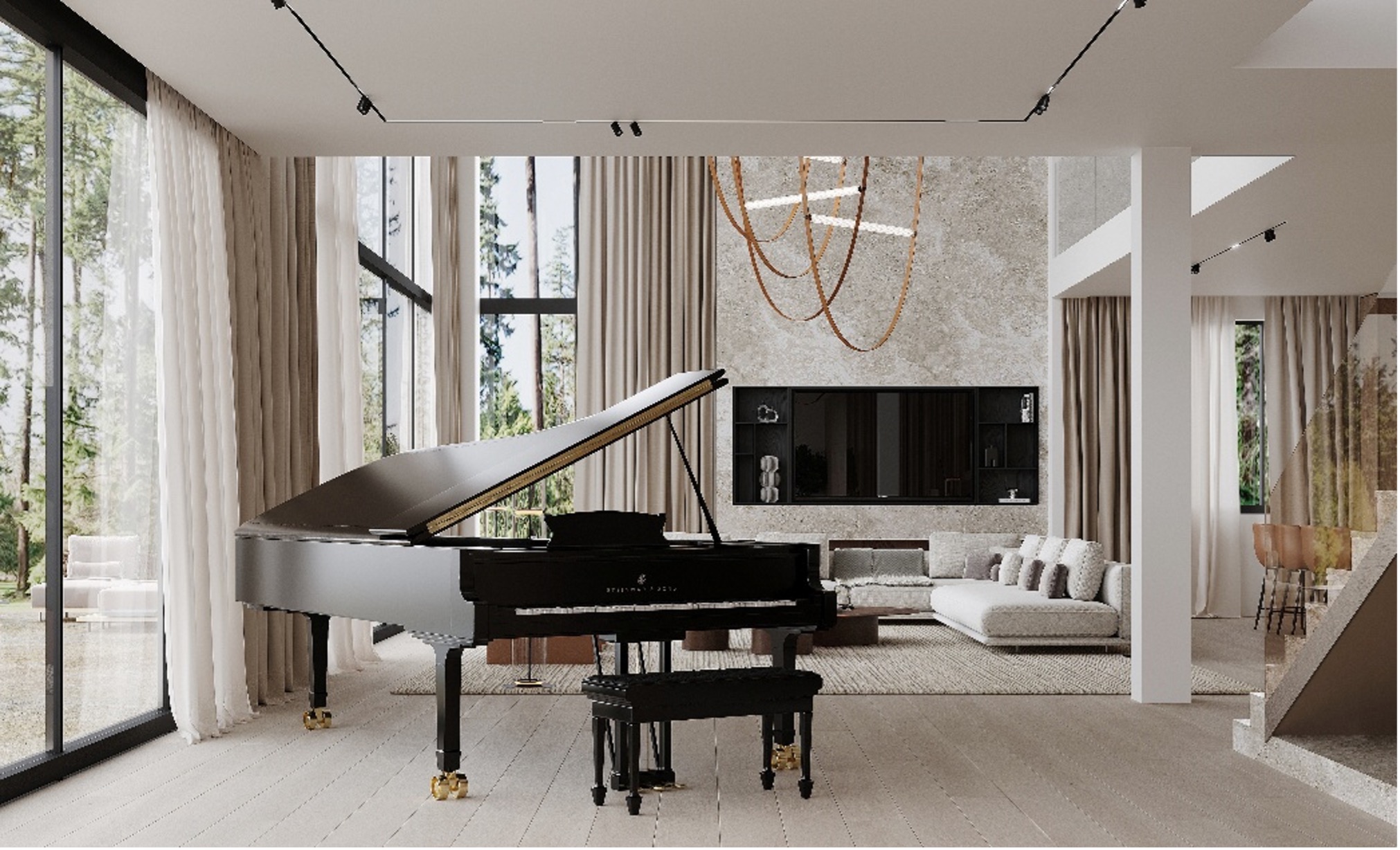
The years 2025–2026 in interior design represent a time when luxury meets nature, technology discreetly supports daily life, and the interior designer becomes a guide in creating an exceptional space.
Designer Agnieszka Hajdas emphasizes that the role of the interior architect is growing—it is no longer just someone who creates beautiful spaces, but an advisor, visionary, and guide through the world of conscious luxury. The Arte Dizain studio creates interior designs that are timeless, elegant, and personalized. A project of the future is an investment in lifestyle, comfort, and property value that only grows over the years.